Decorative Brick for the Wall
It doesn't have to differ much from real brick. Decorative brick for the wall offers various colors and different manufacturing methods. From classic red, through diverse whites, blacks, beiges, to greys. With an original texture or perfectly smooth.
The tiles can be made from reclaimed brick, making them a great choice for those who want to recreate an old-fashioned atmosphere. Today, decorative bricks are also produced using modern technologies while maintaining their natural and timeless beauty. There are also brick imitations made of decorative stone, which are ideal for limited budgets, still allowing for an interesting final effect.
Decorative Brick for the Living Room, Kitchen, and Bathroom
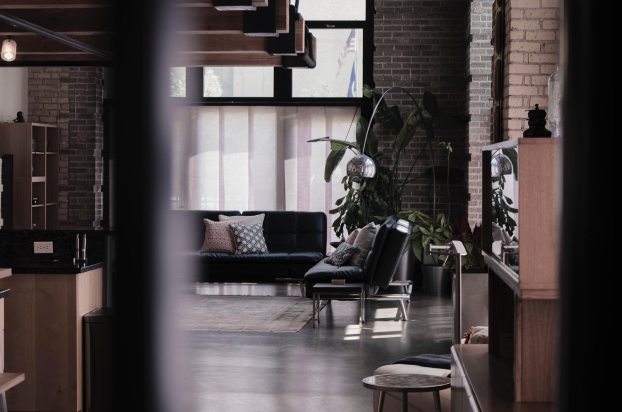
Brick indoors, due to its distinctiveness, will always play the main role. However, to emphasize its features, properly chosen accessories are essential. If we take care of that, decorative brick will suit the living room, kitchen, or bathroom equally well. By choosing the right flooring or furniture, we can also highlight the desired style.
If we combine decorative brick with wood or wood-like flooring, we will achieve a rustic interior style. Enthusiasts of this solution usually opt for white bricks combined with floors in shades of beige and grey, for example, oak Dallas panels from the Elegance collection. On the other hand, combining red brick with metal is a good recipe for an industrial style. A very elegant and tasteful combination is also muted red bricks, white walls, and natural wood-colored flooring, such as Steamed Oak from Natural Parquet. Especially the combination of white and wood brings out the beauty and elegance of the bricks.
How to Install Decorative Brick
Time for practical information. How to install decorative brick to achieve a natural effect and ensure its durability.
1. Proper Preparation is Essential
This includes priming the walls. It's important that the applied primer layer dries well. Experts also recommend creating a grid on the wall using a level, measuring tape, and pencil before starting work. Vertical lines running from ceiling to floor should mark the area to be covered with bricks. The horizontal lines indicate the individual rows of bricks. Remember, the distances between them must account not only for the height of the elements/tiles but also for the grout gap.
2. Time for Careful Laying of Decorative Brick
This is the main stage of work after preparing the substrate. It's essential to properly mix the adhesive so that its consistency is neither too thick nor too thin. It should not run off the brick after application. The next step is gluing according to the visible grid on the wall and pressing the brick evenly. Brick by brick, until the desired effect is achieved.
3. Grouting the Decorative Brick
Once the adhesive has properly bonded to the substrate/wall, we move on to grouting. The prepared grout is placed in a gun or bag and used to fill the spaces between the tiles. Remember to smooth each applied layer, for example, with a brush.
4. Final Stage – Cleaning and Protection
After grouting is complete, gently clean the wall of any remaining adhesive or grout (e.g., with a stiff brush). After a few days, we return to protecting the wall from dirt or moisture. For this, special impregnators are used, applied by spraying the wall or brushing it on. If we choose to paint the decorative brick, the paint usually already contains an impregnating agent – but it's worth checking.