ABC of choosing baseboards and profiles for the type of flooring
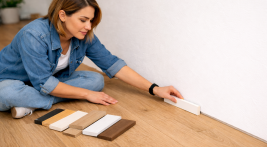
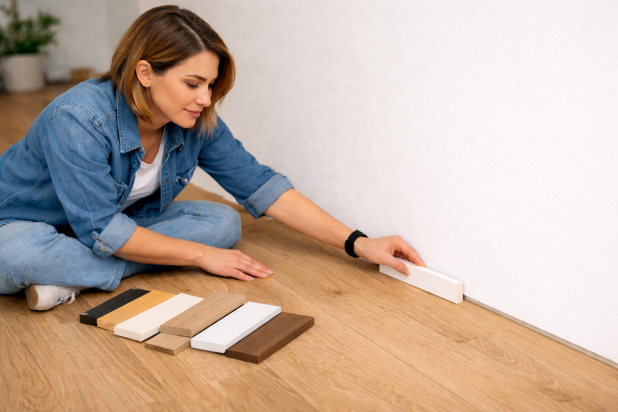
The first selection criterion is usually the material the floor is made of. The “like with like” rule is the safest approach, but not the only one. One of the most common flooring choices is high-quality laminate panels or SPC vinyl panels, which give us a lot of flexibility when choosing profiles that connect different surfaces as well as baseboards. Panel manufacturers often offer dedicated baseboards that perfectly replicate the structure and color of the flooring – these are MDF veneered baseboards. However, if you are looking for something different, options made of wood, duropolymer, PVC, aluminum, and other materials can also work perfectly. This is especially important when we decide on waterproof panels such as Aqua Profi SPC or Aquatus SPC, which are intended for rooms exposed to water or moisture, such as kitchens and bathrooms. In these wet rooms, PVC or duropolymer baseboards are a great choice, often available in solid colors such as white, silver, graphite, black, or cashmere. They are characterized by very high durability and usually a higher price. An undeniable advantage of MDF baseboards is their very wide color range, which makes it easy to find a perfect match with the color of the floor.
Interior style and the shape and height of the baseboard
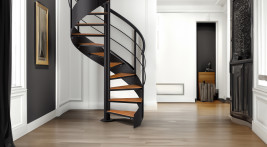
The baseboard is a finishing element that perfectly complements the interior style and can also visually change the proportions of a room. It is worth carefully considering its shape and height to achieve a cohesive and harmonious finish. In classic and elegant interiors, tall (10–12 cm), richly decorated MDF or polyurethane baseboards work best. These are often models with distinct milling. A tall white baseboard adds elegance and pairs perfectly with wall mouldings and flooring panels laid in a classic herringbone pattern. In modern and minimalist interiors, simplicity is key. Rectangular baseboards, slightly lower (6–8 cm), or depending on the flooring used, even flush with the wall, are ideal. A popular solution is to choose baseboards in the same color as the wall rather than the floor or interior doors, creating a stylish monochromatic surface. Aluminum profiles in black or brushed silver are also commonly used. In raw loft or industrial interiors, black baseboards or models imitating architectural concrete work perfectly. Dark, matte finishes are also often used, emphasizing the technical character of the design.
Baseboards in the color of the wall or the floor?
Choosing the right baseboard color is the most common dilemma. There are three main approaches to selecting baseboard colors. The first and most popular is matching them to the color of the floor. This solution makes the floor surface appear larger. It is a safe option that visually enlarges the space and has a large group of supporters. The second method is matching the baseboards to the wall color, making them almost invisible. This is an ideal solution for low rooms because it visually elongates the wall and makes the room appear taller. Another approach is to match baseboards with interior door frames. This is a classic design principle – if you have white doors and door frames, a white baseboard will create a continuous, elegant line framing the entire interior. This solution also has a large group of fans. A great option is also choosing classic, simple white baseboards that fit perfectly into many popular interior styles and match the selected panels, creating either a pleasant contrast or a harmonious, cohesive look.
Expansion and transition profiles – an essential finishing element
Choosing baseboards is not everything. Equally important are profiles that connect different types of flooring surfaces, such as the joint between panels and ceramic floor tiles. When both floors are at the same level, it is worth using flat profiles rather than “T-shaped” ones, which can restrict the natural movement and expansion of the floor. When there is a difference in levels, special profiles that visually smooth out the transition are necessary. If you want an ultra-modern effect, you can choose baseboards integrated with LED lighting. A baseboard emitting a subtle glow will create a pleasant evening atmosphere and also serve as orientation lighting. Selecting baseboards and profiles is a balance between functionality and aesthetics, between design and classic, often timeless solutions. Remember that in small apartments, baseboards in the color of the walls or simple white ones usually work best. In large, high apartments, you can choose decorative, tall profiles that will become an additional interior decoration.
```