Small kitchen with a window – window arrangement
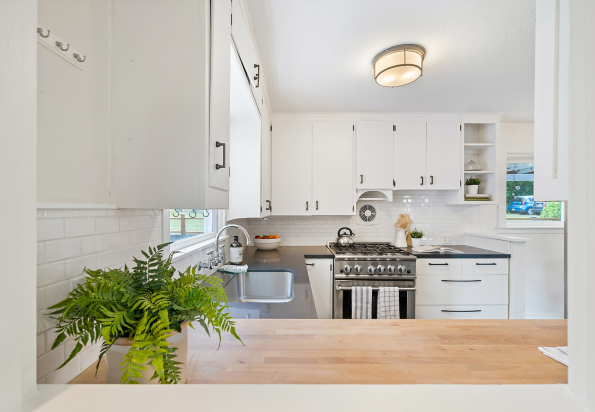
If the kitchen is small but has a window, it’s worth taking advantage of this asset. Natural light gives the room a warm, cozy character and allows for a break from artificial lighting, which often accompanies us at work. Sunlight can make morning or afternoon coffee even more enjoyable, and preparing meals can bring a smile to your face!
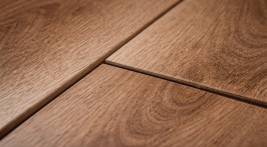
A windowsill matched to the rest of the interior, the floor, and furniture can serve as a decorative element. A wooden sill will go well with both ceramic tiles and laminated wood-look flooring – especially those inspired by the beauty of wood, like light-toned or warmer, darker shades. Meanwhile, a stone windowsill is a good fit for more elegant, subdued interiors and should be styled similarly to the kitchen countertop. The windowsill also provides extra space for decorations, green plants, or growing useful herbs such as mint or basil.
When planning the kitchen layout, it’s important to arrange furniture and appliances so that the incoming light isn’t blocked and can illuminate as much of the space as possible. Light combined with bright-colored furniture and walls can visually enlarge the space. This effect can be achieved, for example, by pairing white walls and cabinet fronts with light wood flooring and countertops. When choosing a floor for the kitchen, remember its water resistance. Opt for vinyl or water-resistant laminated panels.
How to arrange a small kitchen with a window? Efficiently!
Optimal planning of a small kitchen is essential to ensure ease of use and to store all necessary items in cabinets and drawers. When thinking about how to arrange a small kitchen with a window, it’s worth exploring furniture innovations and offers from stores and carpenters. Many space-saving solutions are available, such as carousel cabinets with pull-out shelves or cargo-type drawers, or shallow drawers that form the lower toe-kick of cabinets. These features allow for better use of narrow or corner cabinets that are otherwise hard to access.
Well-selected drawer slides enable full extension, ensuring access to even the deepest items. Cabinet sizes and shelf/drawer heights should be thoughtfully chosen to suit the items being stored. There’s no need to waste space on a tall drawer just for cutlery – better to slightly increase space for pots on a lower level. Inside cabinets, hooks can be installed for hanging items like dishcloths, oven mitts, or small containers. This small change can significantly improve space organization.
Ensure space for gathering
An important element of any kitchen, even a small one, is a place where people can share meals or enjoy conversations. This is usually a table, but there may not always be enough space for one. To save space, consider using a foldable wall-mounted table. When folded, it doesn’t interfere with movement or food preparation and can be quickly unfolded when needed. Breakfast bars are also becoming more common – they can be attached to a wall or used to divide the kitchen from the living room. Their narrow top and stools tucked underneath take up little room while serving their purpose and adding an interesting design element. A kitchen island can combine storage and dining functions – often becoming the centerpiece of the room, offering drawers and shelves, and serving as a space for food preparation or dining.